Travel guide · Strategy
How Airline Alliances Work: A Points Traveler's Guide
By The Beyond Points Team · Published 2026-05-30 · Last verified 2026-07-26
The short answer: An airline alliance is a group of airlines that cooperate — sharing routes, lounges, and elite benefits — and, most importantly for points travelers, letting you earn and redeem miles across all of them. There are three global alliances: Star Alliance, oneworld, and SkyTeam. Understanding them unlocks the single most powerful idea in award travel: you don't need miles with the airline you want to fly — you just need miles in any program that can book it. That's how you fly Lufthansa with Air Canada points, or Japan Airlines with Alaska miles. Here's how it works and how to use it.
What is an airline alliance?
An alliance is a formal partnership between airlines that lets them act, in many ways, like one larger network. Members cooperate on:
- Codeshares and connections — you can book one itinerary spanning multiple member airlines.
- Shared lounges and reciprocal elite benefits — your status on one member is recognized across the alliance.
- Earning and redeeming miles across partners — the part that matters most for points travelers.
That last point is the key. Because members honor each other's loyalty programs, the miles in one program can book flights on any airline in the same alliance. You're not locked into flying the airline whose miles you hold.
The three global alliances
Each alliance has a set of member airlines and a set of loyalty programs you can use to book them. (Members change occasionally — confirm current rosters.)

Star Alliance — the largest (~25 members)
| Key members | Programs to book them |
|---|---|
| United, Air Canada, Lufthansa, Swiss, Austrian, Brussels, TAP, SAS, LOT, Turkish, Aegean, ANA, Singapore, Thai, EVA, Asiana, Avianca, Copa, Ethiopian, South African | United MileagePlus, Aeroplan, Avianca LifeMiles, Turkish Miles&Smiles, ANA, Singapore KrisFlyer |
The biggest network, ideal for reaching almost anywhere. Aeroplan and LifeMiles are favorites for booking Star partners (no fuel surcharges); United MileagePlus is the US anchor.
oneworld (~14 members)
| Key members | Programs to book them |
|---|---|
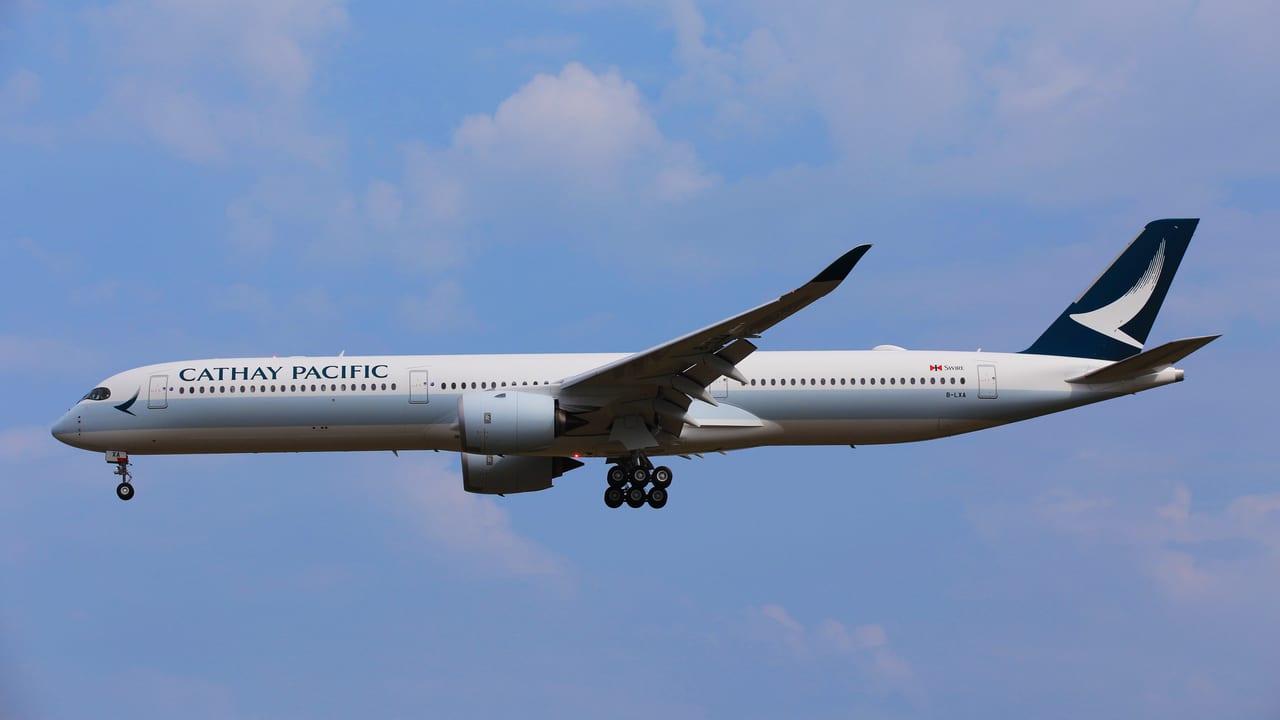
| American, British Airways, Iberia, Finnair, Aer Lingus, Cathay Pacific, Japan Airlines, Qatar Airways, Qantas, Malaysia, Royal Air Maroc, SriLankan, Alaska | American AAdvantage, Alaska Mileage Plan, British Airways/Iberia Avios, Cathay Asia Miles, JAL, Qatar Privilege Club |
Strong for premium cabins (Qatar Qsuite, JAL, Cathay). Alaska and Avios are the go-to booking programs, with American AAdvantage the US anchor (and its fixed chart a rare planning advantage).
SkyTeam (~19 members)
| Key members | Programs to book them |
|---|---|
| Delta, Air France, KLM, Korean Air, Aeroméxico, ITA Airways, Kenya Airways, Saudia, Vietnam Airlines, China Airlines, Garuda, MEA | Delta SkyMiles, Flying Blue (Air France/KLM), Korean SkyPass |
Anchored by Delta and Air France/KLM. Flying Blue is the most useful SkyTeam program for US travelers, thanks to its transfer access and monthly promos — and it (or Virgin Atlantic) often books Delta metal for far fewer points than SkyMiles.
Why alliances matter for points travelers
Two practical superpowers come from alliances:
1. You can earn miles in one program by flying another member. Fly United but credit the miles to Aeroplan; fly British Airways but credit to Alaska. You consolidate your earning into the program that's most valuable to you, rather than scattering miles across a dozen airlines.
2. You can redeem one program's miles on any partner — this is where the value lives. These "partner awards" are the foundation of nearly every sweet spot:
- Book Lufthansa, ANA, or EVA business class using Aeroplan points.
- Book Japan Airlines or Cathay using Alaska miles.
- Book Delta One across the Atlantic using Virgin Atlantic or Flying Blue.
This is why you don't need to collect miles with every airline. Hold one strong program per alliance — or, better, transferable points (Amex, Chase) that feed all three — and you can book almost any flight in the sky. It's also why the program you book through matters as much as the airline you fly, a theme running through best business class under 60,000 points.
Alliance vs. non-alliance partnerships
Here's a nuance most 101 guides miss: not every partnership is an alliance. Airlines also strike bilateral deals outside the three alliances:
- Virgin Atlantic isn't in any alliance, but partners with Delta, Air France/KLM, and ANA — so you can book those with Virgin miles.
- Aeroplan partners with non-Star carriers like Etihad and Emirates.
- Alaska built its program on partnerships long before joining oneworld.
So when you're hunting for the best way to book a flight, check both the airline's alliance and its individual partners — the cheapest route to a seat sometimes runs through a non-alliance partnership.
Elite status across alliances
Alliances also standardize elite benefits, so your status travels with you:
- Star Alliance: Silver and Gold tiers.
- oneworld: Ruby, Sapphire, and Emerald.
- SkyTeam: Elite and Elite Plus.
Higher tiers unlock reciprocal lounge access, priority boarding, extra baggage, and preferred seating across every member airline — not just the one where you earned status. It's a reason frequent flyers concentrate their flying within one alliance.
How to use alliances to book an award flight
The practical workflow, every time:
- Find which airline flies your route (nonstop or connecting).
- Identify its alliance (or non-alliance partners).
- Compare the programs that can book it — they price the same seat very differently. A Star Alliance business seat might cost 60,000 miles through Aeroplan, 45,000 through Turkish, or 88,000 through United, with wildly different surcharges.
- Check surcharges and total cost. Some programs pass fuel surcharges; others don't (Aeroplan, LifeMiles). This can swing the cash cost by hundreds.
- Transfer your points and book — only after confirming the seat is available.
That step 3 — comparing programs for the same seat — is where most of the value (and most of the confusion) lives.
Common mistakes
- Thinking you need miles with the airline you fly. You don't — a partner program in the same alliance can book it, often for less.
- Assuming every program charges the same. The identical seat can cost 45,000 or 88,000 miles depending on the program. Always compare.
- Ignoring surcharges. Two alliance programs booking the same flight can differ by hundreds in cash fees. Check the total, not just the miles.
- Forgetting non-alliance partnerships. Virgin Atlantic, Alaska, and others open up bookings outside the three alliances.
- Transferring before confirming availability. Confirm the partner seat first — transfers are one-way and permanent.
How Beyond Points helps
Alliances are powerful but genuinely complex: three networks, dozens of airlines, a web of non-alliance partnerships, and programs that price the same seat completely differently. Working out which program books your flight most cheaply — with the lowest surcharges — is exactly the kind of research that stops most people from ever booking a partner award.
Beyond Points does that thinking for you: it weighs airlines, alliances, and loyalty programs against live cash prices, then recommends the best way to book your flight — without you memorizing which program books which airline. The alliance system becomes something you benefit from, not something you have to master.
Conclusion
Airline alliances are the hidden machinery behind almost every great award redemption. Once you understand that miles in one program can book flights across an entire alliance — and that different programs price the same seat very differently — you stop collecting miles airline by airline and start thinking in networks. Hold a strong program (or transferable points) that reaches each alliance, always compare programs and surcharges for the seat you want, and confirm availability before you transfer.
Frequently asked questions
What are the three airline alliances?
Star Alliance (the largest, ~25 members including United, Lufthansa, ANA, and Singapore), oneworld (~14 members including American, British Airways, Qatar, and Japan Airlines), and SkyTeam (~19 members including Delta, Air France/KLM, and Korean Air).
How do airline alliances work for points?
Member airlines honor each other's loyalty programs, so miles in one program can book flights on any airline in the same alliance. This means you can fly Lufthansa with Air Canada points, or Japan Airlines with Alaska miles — without holding miles in the operating airline's own program.
Do I need miles with the airline I want to fly?
No. You can use any loyalty program in the same alliance (or a partner program) to book the flight. The program you book through often matters more than the airline, because different programs price the same seat very differently.
Which airline alliance is the best?
None is universally best — it depends on your route. Star Alliance has the broadest network, oneworld excels at premium cabins (Qatar, JAL, Cathay), and SkyTeam is anchored by Delta and Air France/KLM. The best choice is whichever books the flight you want at the lowest total cost.
What's the difference between an alliance and a partnership?
An alliance is a large formal group of airlines. A partnership is a bilateral deal between two airlines that may exist outside any alliance — for example, Virgin Atlantic (non-aligned) partners with Delta and ANA. Both let you book partner awards.
How do I book a partner award flight?
Find which airline flies your route, identify its alliance, compare the programs that can book it (they price the same seat differently), check the surcharges, then transfer your points and book — only after confirming the seat is available.