Travel guide · Strategy
The Complete Guide to Flying Business Class on Points
By The Beyond Points Team · Published 2026-07-29 · Last verified 2026-07-29
The short answer: Flying business class on points is far more achievable than most people think — a $4,000+ cash cabin often costs ~57,000–75,000 points one-way (typical) plus modest taxes, and the process is a repeatable set of steps, not insider magic. The keys: earn a flexible currency, target low-surcharge programs, search award space with flexible dates, and confirm the seat before you transfer. This guide takes you from "someday" to your first booked lie-flat seat. Typical figures — confirm live pricing before transferring.
Why it's more achievable than you think
The gap between a cash business fare (often $4,000–$8,000 round-trip) and its points cost is enormous — which is exactly why points exist. You don't need elite status, a huge salary, or a secret. You need one flexible-points currency, a little date flexibility, and the willingness to follow a process. Thousands of ordinary travelers book business class this way every day; the only thing separating them from everyone else is knowing the steps.
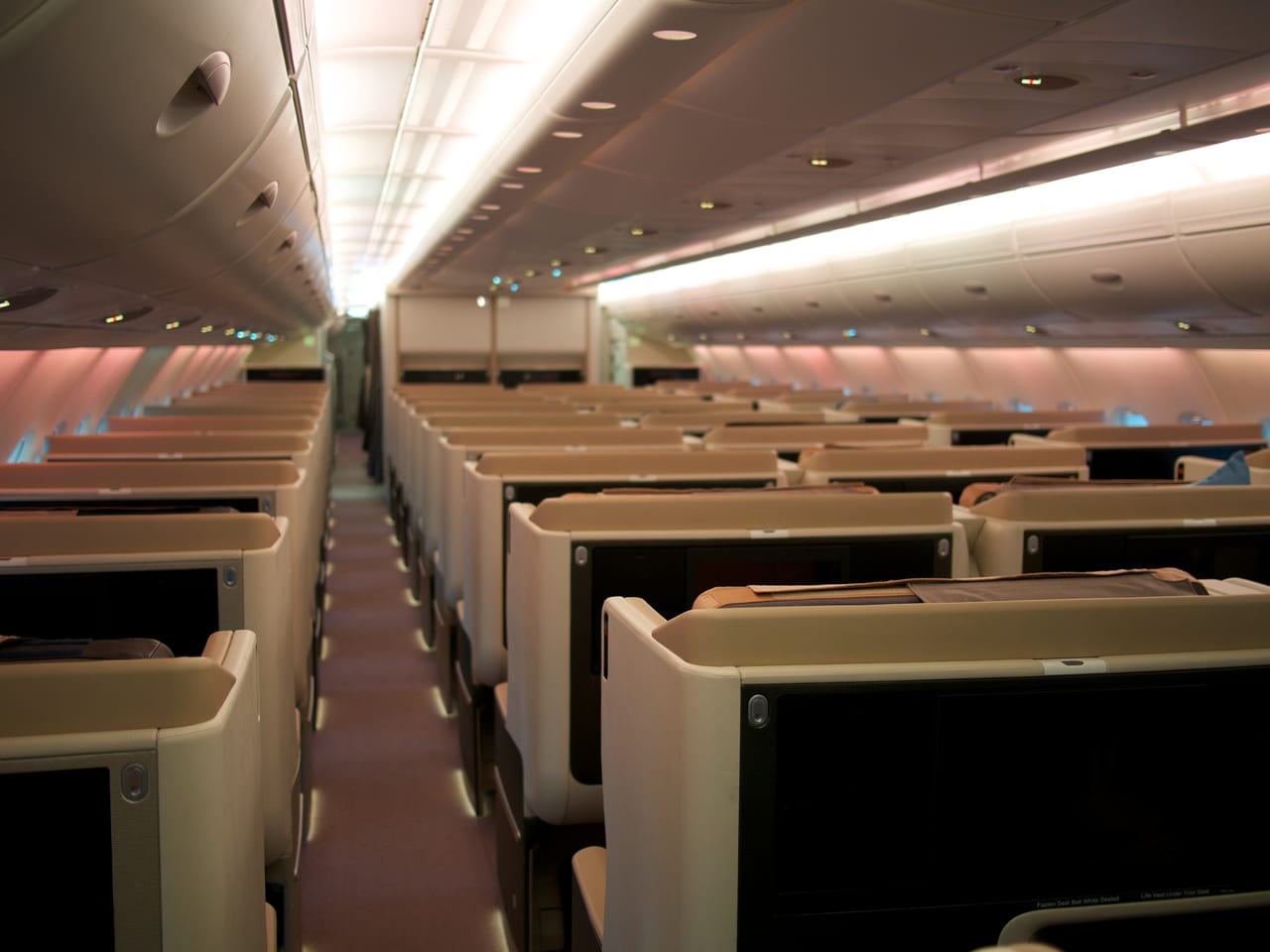

What business class actually costs in points
Pricing is dynamic and varies by route and program, but as a typical guide: transatlantic business often runs ~57,000–75,000 points one-way; to Asia or the Middle East, ~75,000–120,000; and a handful of sweet spots come in lower. The value is enormous because you're avoiding a huge cash fare — see best business class under 60,000 points for where the value concentrates. Always subtract taxes and surcharges before you judge a deal.
Which points get you there
Flexible card currencies are the foundation because they transfer to many airline programs — see which transferable points are best. The programs that book business most efficiently tend to be the low- or no-surcharge ones (Aeroplan, Avianca, Flying Blue, Iberia, plus Turkish and the Avios family). The best program depends on where you're going — best transfer partner by destination maps it out.
The process, start to finish
- Earn a flexible currency (Amex, Chase, Capital One, Citi, or Bilt) so you can reach many programs.
- Pick the destination and the program to check first — work backward from where you're going.
- Search award space with flexible dates — business saver seats are spiky; a day or two swings everything. The fast method: how to search award space without wasting hours.
- Confirm the exact seat — the real, bookable award, not just the route.
- Transfer only then, and only what you need — transfers are one-way.
- Price it against cash and watch the surcharge, then ticket promptly.
The full step-by-step, for any cabin, lives in from points balance to booked trip — this is that playbook, aimed squarely at the front cabin.
The one trap to avoid: surcharges
The fastest way to ruin a business-class award is a heavy fuel surcharge — British Airways' own long-haul metal and some Gulf carriers can add several hundred dollars each way. Route the same trip through a no-surcharge program instead. This single habit protects more value than any other; the mechanics are in transfer bonuses explained and the destination map.
Common mistakes
- Transferring before confirming the seat. The one irreversible error — always search first.
- Booking BA's own long-haul metal. The classic surcharge trap; route elsewhere.
- Rigid dates. Business saver space is the scarcest — flexibility is your biggest lever.
- Chasing the fanciest cabin over value. A great seat with a huge surcharge can lose to a cleaner award.
- Waiting for "enough" points. One good sweet spot is often within reach sooner than you think.
When cash still wins
Business class is usually a superb points use, but not always: if a business fare is on an unusually good cash sale, or the only award carries a punishing surcharge, paying cash (or flying economy and banking the points) can be smarter. Run it through the simple points-vs-cash rule before you commit.
How Beyond Points helps
The hard part isn't the concept — it's finding the seat, across programs, on your dates, without a surcharge, and knowing which of your points books it cheapest. Beyond Points runs that search in one place and lays the award options next to live cash prices, so "someday I'll fly business on points" becomes a booking you can actually see and make.
Conclusion
Business class on points isn't a fantasy reserved for experts — it's a repeatable process: earn a flexible currency, target low-surcharge programs, search with flexible dates, confirm the seat, then transfer. Avoid the surcharge trap, compare against cash, and start with a single sweet spot. The first lie-flat seat is the one that turns "someday" into a habit. Typical figures — confirm live pricing before transferring.
Frequently asked questions
How many points do I need for business class?
Typically around 57,000–75,000 points one-way transatlantic, and roughly 75,000–120,000 to Asia or the Middle East, plus modest taxes — though pricing is dynamic and varies by program and route. Some sweet spots come in lower. Always confirm the live price and subtract surcharges before judging the value.
Do I need elite status or a lot of points to fly business class?
No. You don't need status, and you don't need a massive balance — one good sweet spot is often reachable with a single welcome bonus plus some everyday spending. What matters is using a flexible currency, targeting low-surcharge programs, and finding award space.
What's the best way to book business class with points?
Earn a flexible currency, work backward from your destination to the program to check first, search award space with flexible dates, confirm the exact seat, and only then transfer. Route around fuel surcharges by using no-surcharge programs, and compare the all-in cost against cash.
Why is my business-class award so expensive in fees?
Almost always fuel surcharges — British Airways' own long-haul metal and some Gulf carriers add hundreds of dollars each way. Book the same trip through a no-surcharge program (like Aeroplan or Avianca) to avoid most of it, and always read the taxes-and-fees line before transferring.
Is business class worth using points on?
Usually yes — the cash gap between economy and business is far larger than the points gap, so each point often works harder up front. The exceptions are a cheap cash business sale or an award with a punishing surcharge; run the points-vs-cash math before you book.
How far ahead should I book business class on points?
Business saver space is the scarcest, so for peak dates search right when the schedule opens (often about 11 months out — it varies by airline), and check again close to departure, when airlines sometimes release unsold premium seats. Flexible dates dramatically improve your odds.